October 19th, 2026
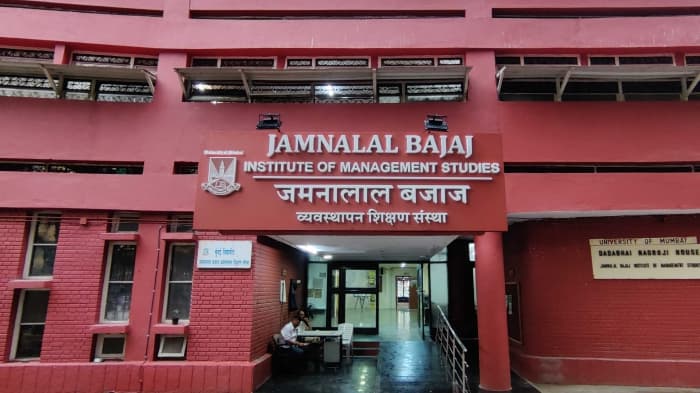
JBIMS - Jamnalal Bajaj Institute of Management Studies, University of Mumbai
A good job gives you stability. Many working people eventually feel that just experience is not enough to progress. You might already have a year of work yet when better jobs or larger duties show up an MBA can fill the gap in your career. The problem is that leaving a full‑time job for a two‑year management course is not practical for everyone. This is why the JBIMS Executive MBA can be a choice for people who want to keep working while sharpening management skills.
Jamnalal Bajaj Institute of Management Studies (JBIMS) is in Mumbai. It is one of the popular management schools linked to the University of Mumbai. The school has a tradition in teaching business and is praised for its close ties with the business world. For people who work an Executive MBA can help them grow their knowledge and skills without stopping their job. The JBIMS Executive MBA Mumbai option is worth looking into if you want business education while staying in your career.
People now wish to raise their skills without taking a break from work so flexible business education is in demand. Executive MBA courses are built for this need covering topics such as business management, leadership, decision making and real job skills. Picking an Executive MBA is more than just the school name. One must look at eligibility, admission steps, course layout, cost, length, special tracks and future jobs before deciding.
In this article we will examine the JBIMS Executive MBA, explain what it covers, who can join, how admission works, what the course looks like and what applicants should know about cost and other needs. The article will also talk about the school, its reputation, key parts of the programme and the jobs it can lead to so that working people can see a view before deciding if this kind of business education matches their career plans.
What Is the JBIMS Executive MBA?
If you have seen the term JBIMS Executive MBA you should first clear up one confusion.
JBIMS is not like private schools that have a separate course called "Executive MBA." Instead the term is usually used for a part‑time MMS programme that is made for people who are already working. With this option you do not have to leave your job. You can study while you keep working. That is what sets the JBIMS Executive MBA apart from the two‑year full‑time MBA.
The institute behind the JBIMS Executive MBA is Jamnalal Bajaj Institute of Management Studies (JBIMS) which's a part of the University of Mumbai. Its campus is in Churchgate, Mumbai in the middle of one of the city’s big business areas. JBIMS has been around for decades and is known for good management education. So when people search for JBIMS Executive MBA Mumbai they are not just looking for another course. They are looking for a part‑time programme from an institute of the University of Mumbai.
Who is the JBIMS Executive MBA for? Mainly it is for people who already work and do not want to pause their career just to study. A person who has work experience might want to move into a manager role, take on responsibility or simply add a formal management qualification. That is why the JBIMS Executive MBA fits. Before applying, check the JBIMS Executive MBA admission, eligibility, fees and duration because those details matter when you plan the course around a full‑time job. In short the JBIMS Executive MBA for working professionals is about mixing work and study of choosing one over the other.
JBIMS Executive MBA Duration and Structure
Three years might seem like a huge time at first but the JBIMS Executive MBA is set up differently than a regular full‑time MBA. You do not have to quit your job and spend the three years as a full‑time student. The programme is part‑time so you can keep working while you study. Classes are usually scheduled around your work hours taking place on weekends or in the evening depending on the timetable.
Another point to note about the three‑year structure is that you do not have to finish all three years to earn a qualification. The programme offers exit points under the NEP 2020 framework:
- After 1 year: You can exit with a Post Graduate Certificate.
- After 2 years: You can exit with a Post Graduate Diploma.
- After 3 years: You can complete the MMS degree.
This can be useful for someone whose job, plans or personal situation changes. Rather than thinking that you must commit to three years no matter what you have stages where you can exit with a qualification. The exact conditions for each exit option should still be checked in the official programme rules.
Can You Manage It Alongside a Job?
This is probably the important question for anyone considering the Executive MBA at JBIMS. Working while attending classes can seem manageable. You will still need to find time for assignments, presentations, exams and some studying at home.
A simple way to look at the routine is:
- During days: Your main focus remains on your job with some time for reading or revision when needed.
- Class days: Attend the scheduled evening or weekend classes.
- Before exams: Keep a few extra days for revision instead of trying to finish everything at the last minute.
The idea behind the JBIMS executive management programme is fairly simple: you keep earning and gaining work experience while studying management at the time. That makes the three‑year format different from taking a break from work for a full‑time course.
Specializations Offered:-
Choosing a specialization is really about deciding which side of business interests you the best. The JBIMS Executive MBA offers areas such as Marketing, Finance, Human Resource Development and Information Systems. Each specialization leads toward a kind of work so there is no single specialization that fits everyone. I think it is better to connect the specialization with the kind of career you want to build.
| Specialization | Best For | Career Paths |
| Marketing Management | Sales, branding, product professionals | Brand Manager, Marketing Head, Product Manager |
| Financial Management | Banking, accounts, audit professionals | Finance Manager, Analyst, CFO track |
| Human Resource Development Management | HR and people-function professionals | HR Business Partner, Talent Head |
| Information Systems Management | IT and tech professionals moving into management | IT Manager, Product/Program Manager |
Before choosing a specialization in Executive MBA JBIMS think about the work you are already doing and where you want to go. Someone working in sales may naturally look toward Marketing while a person working in banking may find Finance more relevant. Similarly someone interested in people management may prefer HRD while a professional working around technology may find Information Systems more useful. Your current experience and future career plan can make the choice much easier.
JBIMS Executive MBA Eligibility Criteria
Before you apply for the JBIMS Executive MBA you should check simple things. The JBIMS Executive MBA is designed for people who already have a degree and also some professional experience. So just having a degree might not be enough. Your work experience, the specific role you have held and whether you work for a company or run your business also matter. Below are the main JBIMS Executive MBA eligibility requirements so you can see them clearly.
| Criteria | Requirement |
| Educational Qualification | Graduation (any discipline) from a UGC-recognized university |
| Minimum Work Experience | 2 years post-graduation |
| Nature of Work | Executive or supervisory capacity |
| Experience Cut-off Date | On or before 15 June of the admission year |
| Self-Employed Candidates | Last 3 years' Income Tax Returns + registration documents |
| Application Fee | ₹1,200 per specialization (non-refundable), as reported by third-party sources; confirm on the official site |
Who Can Apply?
The JBIMS Executive MBA is for people who have already worked for a while and now want to add management learning to that experience. The program looks at candidates who work at a supervisory level and it also accepts self‑employed professionals if they meet the required conditions. Always check the educational qualification, experience requirement and other conditions, against the latest admission notice before you apply. If you plan to apply for the JBIMS Executive MBA, checking these details first can save you from applying when you do not meet a requirement.
JBIMS Executive MBA Admission Process
The JBIMS Executive MBA admission process is more than filling out a form and waiting for a response. You will have to pass steps. First you fill in the application and pay the registration fee. Then you sit the selection test, a Group Discussion and a Personal Interview. The newest 2026–27 JBIMS guide lists three stages: Common Entrance Test, Group Discussion and Personal Interview and it says that you must attend all three to be on the merit list.
The process in terms looks like this:
- Fill out the application form – Complete the form and pay the registration fee. For the 2026–27 cycle JBIMS lists the fee as ₹1,200. It is non‑refundable.
- Common Entrance Test (CET) – This written test is objective‑type. Includes comprehension, basic math, logic and general knowledge.
- Group Discussion (GD) – In this session you will discuss a topic and your ability to share and debate ideas is evaluated.
- Personal Interview (PI) – This interview is part of the selection. You should be ready to answer questions about your schooling, work history, career goals and why you want to join the programme.
- Final merit list – Your results, from all stages are combined to create the admission list.
Documents You Should Keep Ready:-
Do not wait until the minute to gather your paperwork. Besides your education certificates you should also bring proof of your work experience. If you are self‑employed you will need documents. JBIMS says you must provide Income Tax Returns for the three years and if you own a company its registration papers or a partnership deed that shows your role.
To prepare for the test and interview, focus on each stage separately of trying to cover everything at once. For the CET practise comprehension, simple math problems, logic puzzles and general knowledge. For the GD practice speaking about a topic and try not to dominate the conversation. For the PI understand your work history clearly, what you do, what you have. Why do you wish to study management now? This focused preparation will make the JBIMS Executive MBA admission process feel easier.
JBIMS Executive MBA fees
When people search for JBIMS Executive MBA fees they usually want one answer – how much will the whole course actually cost? The amount can be shown either as a fee or as the total cost for the complete programme. It is worth checking which figure you are looking at before comparing it with another college. The table below gives a picture of the fee structure and also puts it alongside the fee of the full-time MMS programme.
| Program | Duration | Approx. Total Fee |
| Part-Time MMS (Executive MBA) | 3 years | ₹63,075 to ₹1.52 lakh |
| Full-Time MMS (Open Category) | 2 years | ₹8.34 lakh |
| Full-Time MMS (SC/ST) | 2 years | ₹34,350 |
The difference becomes easier to understand when you look at the kind of institution JBIMS is. It is a department of the University of Mumbai rather than a private business school. Its part‑time management programmes are also specifically meant for working executives. So when you compare the JBIMS Executive MBA fees with fees charged by B‑schools the numbers may look quite different. The full‑time MMS is a programme as well so its fee should not be treated as the fee for the executive/part‑time course.
JBIMS Executive MBA vs Full‑Time MMS vs Private Executive MBAs
At glance these three options may seem the same when you search for an MBA but they actually suit very different needs. The JBIMS Executive MBA, which is the name for the institute’s three‑year Part‑Time MMS programmes, is made for people who already have a job. The full‑time MMS at JBIMS is a different path, it lasts two years and is a full‑time programme. Private Executive MBA programmes vary a lot from one institute to another in fees, class format, admission rules and course design.
The easiest way to see the difference is to ask one question: Do I want to study while working or do I want to make college my full‑time focus? If I already have a job and do not want to leave it the part‑time route is more sensible. JBIMS says its three‑year Part‑Time MMS programmes are made for working executives and give specialisations in areas like Finance, Marketing, Human Resource Development and Information Management.
The JBIMS full‑time MMS is an experience. It lasts two years. It is meant to be studied as a full‑time management degree. Students go through four semesters. Also finish a summer internship between the second and third semesters. Admission to this programme follows the Maharashtra CAP process, with MAH‑MBA CET and other accepted entrance examinations as part of the route.
The third option is Executive MBA programmes. Here it is hard to put every institute into one category because their rules can be very different. Some are made for managers, some offer weekend classes and some use online or blended teaching. Their fees can also vary a lot. So by looking only at the course name, look at what you are actually getting. The duration, teaching format, admission test, work‑experience requirement, qualification awarded and the kind of students the programme is meant for.
What Changes From One Option to Another?
A few differences become much clearer when you put the options side by side:
- Duration: The JBIMS Part‑Time MMS lasts three years while the regular JBIMS MMS lasts two years. Private Executive MBA programmes can have durations depending on the institute.
- Study format: The part‑time JBIMS programme is built around working executives. The full‑time MMS expects students to make the programme their main academic commitment.
- Work experience: The JBIMS Part‑Time MMS specifically requires post‑graduation work experience in a supervisory role. The institute also has documentation rules for self‑employed applicants.
- Selection: The Part‑Time MMS uses its own selection process, including a Common Entrance Test and Group Discussion. The full‑time MMS follows the Maharashtra CAP admission route. Private institutes may have their entrance tests, interviews or other selection methods.
- Cost: The fee structure is not the same across these routes. The JBIMS Part‑Time MMS and full‑time MMS are programmes with separate fee structures while private Executive MBA fees depend heavily on the institute.
- Career impact: This part is not as simple as saying one degree will automatically give you a better career. A full‑time MMS can make sense for someone who wants to spend two years fully focused on management education, internships and campus life. A part‑time JBIMS Executive MBA can fit someone who wants to keep their existing job and add a management qualification alongside it. A private Executive MBA may make sense depending on the institute, the programme's format and what the student wants from it.
So when comparing JBIMS Executive MBA Mumbai, the full‑time MMS and private Executive MBA programmes, the real difference is not the letters written after your name. It is also about where you're in your career and how you want to study. Someone with an existing job may look at the three‑year Part‑Time MMS differently from a fresh graduate looking for a full‑time management course. That is why checking the course structure, JBIMS Executive MBA fees, admission process, duration and eligibility together gives a more realistic picture, than comparing fees or college names alone.

ROI for Working Professionals
The ROI of the JBIMS Executive MBA is a bit different from the way people calculate MBA ROI. When a person has just finished a degree people usually talk about ROI by looking at the salary after graduation. For someone who is already earning, the ROI calculation becomes more personal: it asks how much was spent, what was learned and whether the program actually helped the career move forward.
A few things are worth looking at:
- Salary: One can keep earning while studying instead of giving up three years of income for a full‑time course.
- Career movement: A promotion, a role or a move into a management position that fits better may matter more than a brand‑new job.
- Course cost: Comparing the fees of the JBIMS Executive MBA with the money you would spend on other executive programmes.
- Network: JBIMS has an alumni base. The institute also stresses alumni connections and interactions with communities.
- Time: Money is not the only cost. Three years of classes, assignments and exams with a full‑time job also demand a serious time commitment.
Is the JBIMS Executive MBA Right for You?
By now you should have an idea of where the JBIMS Executive MBA belongs. Officially called the Part‑Time MMS this programme is designed for working professionals who want to learn management while still holding their jobs. It gives you the JBIMS name, a degree from the University of Mumbai and a schedule that fits around work. However the three‑year length, the entrance test and the amount of work are points to think about before you apply.
What Works in Its Favour?
- University Degree: The JBIMS Executive MBA is offered under the University of Mumbai.
- Cost: The fee of the JBIMS Executive MBA can be more reasonable than private executive programmes.
- JBIMS Brand: Students of the JBIMS Executive MBA join a well‑known management institute and its alumni community.
- Work‑Friendly: The part‑time format of the JBIMS Executive MBA lets professionals keep working while studying.
What Should You Keep in Mind?
- Admission: The admission process for the JBIMS Executive MBA demands careful preparation.
- Three‑Year Course: The JBIMS Executive MBA lasts three years longer than a full‑time MMS.
- Mumbai‑Based: Students of the JBIMS Executive MBA must attend classes in Mumbai.
- Placement Support: The JBIMS Executive MBA does not promise the same placement outcomes as a full‑time MMS.
- Workload: Balancing a job the JBIMS Executive MBA classes and assignments can be demanding.
Who Should Apply?
The JBIMS Executive MBA is suitable for people who already have the required work experience, want to keep earning while studying and're ready to commit three years to a part‑time management programme.
It may not be the choice for fresh graduates who are mainly after campus placements for people who cannot travel to Mumbai for classes or for those who want a full‑time MBA‑style college experience.
In short the JBIMS Executive MBA works best for working professionals when the degree fits their career path not as a full replacement. Before applying, check the JBIMS Executive MBA admission, eligibility and fee details on the official website.