October 19th, 2026
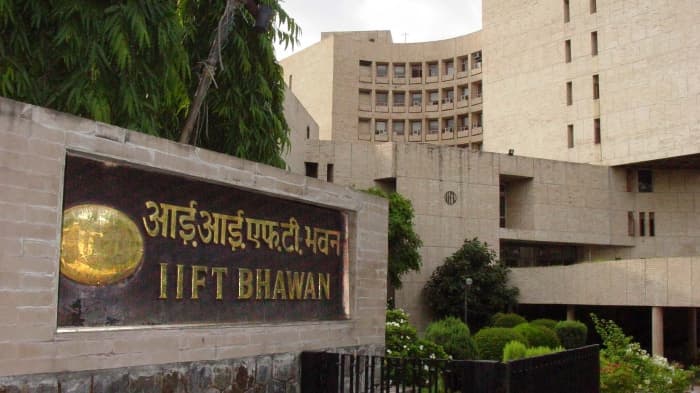
Indian Institute of Foreign Trade (IIFT), New Delhi
For working professionals a management degree seems like a good way to advance their career but quitting a full‑time job for college is often not realistic. Work duties, money matters and the need to keep earning makes it hard for many people to enroll in an MBA programme. This is why programmes made for working professionals can be very helpful. The IIFT Executive MBA is often sought by those who want to build business and management skills while still working.
The Indian Institute of Foreign Trade (IIFT) is a well‑known school in India for learning about international trade, business and management. Its Delhi campus draws students and professionals who want to see business from both worldwide angles. However there is a point before you apply. Many people look for an IIFT Executive MBA Delhi programme. Iift’s official name for this executive management course is Executive PGDM. IIFT also offers courses, such as a Weekend MBA and short certificate programmes so knowing the exact name is crucial when you check admission details.
In 2026 IIFT still holds a position in management education. According to the NIRF 2025 Management Rankings IIFT was ranked 17th among management schools in India making it a recognised name for students and professionals who want management education. The institute’s long history with trade also gives its programmes a special focus compared to many general management schools.
In this article we will cover everything you need to know about the IIFT Executive MBA, including its programme name, courses, eligibility criteria, admission process, fees, duration, campus details, career opportunities and other important points. We will also explain the difference between the terms people commonly search for and the official names used by IIFT so that you can make a well‑informed decision before applying.
About IIFT Delhi
The Indian Institute of Foreign Trade better known as IIFT has been around since 1963, has built a name for itself in the field of international business and trade. The institute became a Deemed to be University in 2002 and over the years it has expanded its focus to areas such as management, business and global markets. IIFT is also recognised through accreditations such as NAAC and AACSB. Its main Delhi campus is located in Qutab Institutional Area, which's one of the well-known educational and institutional areas of the city. For students and working professionals this means they are joining an institute that has been focused on business and trade education for several decades.
One of the reasons professionals look at IIFT for executive education is its strong connection with international business. A person working in management today may have to deal with companies, clients, markets and business decisions that are not limited to one country. IIFTs background in trade gives its management education a slightly different angle, with attention to global business along with regular management concepts. This can be useful, for professionals who want to strengthen their management knowledge while also understanding how businesses operate in the global market.
IIFT’s Executive & Working-Professional Programs- The Complete Structure
IIFT offers a range of programmes for people who want to study management while keeping their jobs or continuing their education. The best way to understand these programmes is to look at them in three levels: short certificate courses, longer Executive PGDM and Diploma programmes and the full Weekend MBA. The main difference between them is how much time you need to spend and what kind of qualification you get at the end.
These programmes are run by two parts of IIFT. The Executive Management Programme Division (EMPD) and the Centre for Distance and Online Education (CDOE). So when choosing a programme it’s important to look not at the name but also at the division how long it takes and the way you will learn.
1. Executive PGDM – International Business (EPGDIB)
This programme is for professionals who want to learn management with a focus on international business. It’s good for people whose job includes markets, trade or business operations around the world.
Program Highlights
- Duration: 18 months
- Mode of learning: On-campus / Weekend
- Qualification level: Executive Diploma / Executive MBA-equivalent
2. Executive PGDM – HRD & Management (EPGD-HRDM)
This programme is more focused on managing people and organisations. It’s ideal for professionals who want to strengthen their skills in human resource management while also learning management practices.
Program Highlights
- Duration: 18 months
- Mode of learning: On-campus / Weekend
- Qualification level: Executive Diploma / Executive MBA-equivalent
3. PG Certificate in Management – International Business
This is an option for people who want to learn the basics of management and international business without committing to a long programme. It’s a fit for professionals who want quick focused learning.
Program Highlights
- Duration: 6–12 months
- Mode of learning: On-campus / Weekend
- Qualification level: Certificate
4. Certificate Program in Export Import Management
This programme is more practical and focused on the processes of export and import. It’s useful for people who want to understand how international trade works in day-to-day business.
Program Highlights
- Duration: 6 months
- Mode of learning: On-campus / Weekend
- Qualification level: Certificate
5. Executive PGDM (Online)
For professionals who can’t come to campus IIFT offers an online version of the Executive PGDM. This allows students to study from home or wherever they are while still managing their job or other responsibilities.
Program Highlights
- Duration: 15 months
- Mode of learning: Online / Weekend
- Qualification level: Executive Diploma / Executive MBA-equivalent
6. MBA (International Business) – Weekend
The Weekend MBA is the most comprehensive option. It’s designed for working professionals who want to earn a MBA in International Business without following the traditional full-time college model.
Program Highlights
- Duration: Longer than the Executive PGDM programmes
- Mode of learning: Weekend
- Qualification level: MBA degree
| Program Name | Division | Tier | Duration | Mode | Approx. Total Fees |
| Executive PGDM – International Business (EPGDIB) | EMPD | Diploma (Executive MBA-equivalent) | 18 months | On-campus / Weekend | ₹4.85 Lakh |
| Executive PGDM – HRD & Management (EPGD-HRDM) | EMPD | Diploma (Executive MBA-equivalent) | 18 months | On-campus / Weekend | ₹4.45 Lakh |
| PG Certificate in Management – International Business | EMPD | Certificate | ~11 months | On-campus / Weekend | ₹75,000 – ₹1.4 Lakh |
| Certificate Program in Export-Import Management | EMPD | Certificate | 4–6 months | On-campus / Weekend | ₹75,000 |
| Executive PGDM (Online) | CDOE | Diploma (Executive MBA-equivalent) | 15 months | Online / Weekend | ₹5.10 Lakh |
| MBA (International Business) – Weekend | CDOE | Full MBA Degree | ~2.5 years | Weekend, on-campus | ₹9.45 Lakh |
In terms if you are looking for a short learning experience you can look at the certificate programmes. If you want a qualification in management, the Executive PGDM or Diploma programmes are a better fit. If you are aiming for a full MBA degree then the Weekend MBA is the right choice. This clear structure makes it easier to compare the programmes and choose the one that matches your goals.
IIFT Executive MBA Eligibility Criteria & Required Work Experience
Eligibility for IIFTs programmes depends largely on the type of course you select. Shorter certificate programmes are usually easier to enter while the Executive PGDM and Weekend MBA are specifically aimed at people who already have experience. Therefore before applying this step is essential to examine both qualification and the experience required for that particular programme.
Executive PGDM – International Business (EPGDIB)
This programme is mainly intended for professionals who already have experience in the workplace and now want to build management and international business skills.
- Educational qualification: A recognised bachelors degree is required.
- Work experience: Relevant managerial work experience is required.
- Minimum marks: The programme requires a minimum marks threshold with relaxation for eligible SC/ST/PwD candidates.
- Age limit: There is no upper age limit.
Executive PGDM – HRD & Management (EPGD-HRDM)
The HRD and Management programme is aimed at people who want to learn more about managing employee organisations and different management functions. Because the executive‑level course is designed for professionals, professional experience plays a vital role in eligibility.
- Educational qualification: Graduation from a recognised university is required.
- Work experience: The programme is intended for working professionals and the required experience should be checked in the admission notification for the relevant batch.
- Minimum marks: The applicable minimum percentage and category‑based relaxation are mentioned in the programmes admission rules.
- Age limit: There is no general upper age restriction.
PG Certificate in Management – International Business
This shorter programme has straightforward entry requirements. This shorter programme can be considered by graduates well as by people who are already working and want to learn more about international business.
- Educational qualification: A bachelor's degree from a recognised university is required.
- Minimum marks: The programme generally requires at least 50 % marks with relaxation for SC/ST/PwD candidates.
- Work experience: Previous work experience is not compulsory.
- Age limit: There is no upper age limit.
Certificate Program in Export‑Import Management
This programme focuses on the basics and practical side of export and import business. This programme can be useful for someone who's new to this field as well as for professionals or business owners who want to understand international trade better.
- Educational qualification: Graduation from a recognised university is required.
- Work experience: Prior professional experience is not the main eligibility requirement.
- Focus: The course is more about learning export‑import processes and building practical knowledge.
- Age limit: There is no general upper age restriction mentioned for the programme.
Executive PGDM (Online)
The online Executive PGDM is designed for people who want to study management without leaving their work or moving to a campus. Therefore professional experience is a part of the online Executive PGDMs eligibility.
- Educational qualification: A recognised bachelors degree is required.
- Work experience: Relevant professional experience is required.
- Minimum marks: Applicants need to meet the programmes prescribed graduation percentage.
- Age limit: There is no upper age limit.
MBA (International Business) – Weekend
The Weekend MBA is different from the shorter certificate and diploma programmes because it leads to a full MBA degree. This Weekend MBA is mainly intended for working professionals who already have experience and want to continue working while pursuing their MBA.
- Educational qualification: A bachelor's degree from a recognised university is required.
- Work experience: At least 3 years of post‑graduation managerial work experience is required under the current programme rules.
- Minimum marks: Applicants need to meet the prescribed academic requirement.
- Age limit: There is no upper age limit.
| Program | Educational Qualification | Work Experience | Age Limit |
| Executive PGDM – International Business (EPGDIB) | Recognised bachelor's degree | Relevant managerial experience required | No upper limit |
| Executive PGDM – HRD & Management (EPGD-HRDM) | Graduation from recognised university | Required for working professionals (check current batch notification) | No upper limit |
| PG Certificate in Management – International Business | Bachelor's degree, min. 50% (relaxation for SC/ST/PwD) | Not compulsory | No upper limit |
| Certificate Program in Export-Import Management | Graduation from recognised university | Not the main requirement | No upper limit |
| Executive PGDM (Online) | Recognised bachelor's degree, prescribed percentage | Relevant professional experience required | No upper limit |
| MBA (International Business) – Weekend | Bachelor's degree from recognised university | Min. 3 years post-graduation managerial experience | No upper limit |

Is There Any Upper Age Limit?
For IIFT executives and working‑professional programmes age is typically not a barrier.
- No fixed upper age limit: Several IIFT executive programmes clearly say that there is no age limit.
- Experience matters more: Instead of concentrating on age the key question is whether you meet the programme’s qualification and experience needs.
- Suitable for professionals: A person can apply to these programmes even after many years in the job market.
- Different rules can apply: read the admission notice for the specific batch because programme rules may change.
- Age alone does not stop you from applying: If you meet the eligibility conditions, being older than a typical MBA student does not automatically make you ineligible.
IIFT Executive Admission Process & Selection Criteria
Applying for an IIFT Executive MBA or accurately an executive PGDM programme differs from applying for a regular MBA. These courses are mainly designed for working professionals so IIFT evaluates more than an entrance-test score. Your education, work experience and performance, during the Admission Process & Selection Criteria can all play a role. The exact process can also change depending on the programme. Therefore applicants should always check the admission notice for the year applicants are applying.

What about CAT, XAT, MAT and other entrance exams?
One thing that often confuses applicants looking for the IIFT Executive MBA Delhi programme is whether CAT or any other MBA entrance exam is required. There is no rule that applies to all executive programmes. For the 2026 Executive PGDM/HRDM/PGCM admissions IIFT allowed candidates to use scores from CAT, XAT, CMAT, MAT, ATMA or GMAT. Alternatively they could take the IIFT entrance examination if it was applicable. The PGCM (IB) programme for example follows a path and relies mainly on a Personal Interview.
The Weekend MBA (International Business) has a test-score requirement. Its 2026 admission details mention that candidates must submit CAT, XAT, CMAT, ATMA, MAT or GMAT scores from the years followed by an interview.
So if you are considering an Executive MBA at IIFT do not assume that the admission process for one course will be the same as another. Each programme may have its set of rules.
When can you apply?
IIFT does not have an application date that fits all executive programmes. Different courses may have admission cycles and deadlines. For instance IIFT’s website currently shows that the Executive PGDM Online 2026–27 programme has an application deadline of 30 September 2026.
This is why it is best to visit the IIFT admission page when you are ready to apply. Application dates, intake years and selection rules can change between batches.
Documents you should keep ready:-
The exact list of documents may vary. Applicants should generally keep this ready:
- Graduation degree or provisional certificate
- Marksheets and academic records
- Work-experience certificates if experience is required
- Valid photo ID
- Recent passport-size photograph
- Entrance-exam scorecard if applying through a recognized test
- Category certificate if applicable
- Employer-related documents such as an NOC, where required
Having these documents prepared in advance can make the IIFT Executive MBA admission process much smoother, especially when the application window is tight.
Overall the process is not complicated: check eligibility → apply online → submit the required test score or appear for the IIFT test if needed → go through the selection rounds → wait for the result → pay fees and confirm admission. The key is to follow the rules of your chosen IIFT Executive MBA programme as the admission path is not the same, for every executive course.
Mode of Teaching & Learning Format
One of the reasons IIFT executive programmes appeal to working professionals is that IIFT plans the classes around the work schedules of the participants. The exact format varies with each programme. On‑campus Executive PGDM courses at the Delhi campus are held on weekends so professionals do not have to leave their jobs to attend weekday classes.
If a person is looking for an IIFT Executive MBA Delhi programme the learning experience goes beyond just sitting in a classroom and listening to lectures. IIFT Executive Management Programmes Division says that IIFT uses case‑based learning, simulations and real‑world problem solving to make the lessons more practical. This means students look at a business situation, understand the problem and think about how they would handle it or simply memorize theories. Industry professionals and experts add value to the learning experience through discussions and interactive sessions.
What about the format?
IIFT also offers an Executive PGDM Online option for professionals who need more flexibility. IIFT delivers the programme through online sessions with the current format using weekend classes on platforms such as Microsoft Teams and IIFT’s learning management system. Students also receive study material, case studies and assignments through the online learning system.
The learning format can include:
- Live interactive classes where students can talk with faculty and classmates.
- Case studies and Practical assignments that connect concepts with real business situations.
- Assessments that test understanding.
- Industry or field exposure in programmes that include it.
- Digital study material that students can access online.
Why this format works for working professionals
The biggest advantage is that professionals do not have to choose between their job and their education. Weekend classes keep the working week free while the online option helps people who cannot regularly travel to the Delhi campus. This is especially important for someone looking at an Executive MBA, from IIFT because the whole idea of education is to add new skills while the learner continues with their current professional responsibilities.
So whether a person chooses an on‑campus programme or the online IIFT Executive MBA route the basic idea stays the same: learn management concepts, link them with business situations and keep building the career at the same time.
Faculty Details and Expertise
IIFT has a mix of full-time faculty members and visiting professionals who bring experience from areas of business and management. The faculty covers subjects connected with trade, global business, finance, marketing, operations, economics, HR and leadership. For someone joining an IIFT Executive MBA or executive PGDM this can make classroom learning more useful because the discussions can go beyond textbook concepts and connect with situations that professionals may actually face at work. IIFTs faculty members are also involved in research and work related to business and trade.
The institute also gives importance to case-based learning and practical business situations. Its Case Research Centre works on developing business cases that can be used for management learning allowing students to look at a realistic business problem and think about possible solutions. IIFT also has collaborations with institutions outside India which adds an international element to its teaching and research. For learners this combination of academic knowledge, industry exposure and global business understanding can make the learning experience more practical.
Alumni Network & Industry Connect
Another part of the IIFT Executive MBA for working professionals is the chance to join IIFTs wider alumni network. Former students of IIFT work across industries, cities and countries so IIFT Executive MBA learners can meet people with very different professional experiences. IIFT also has alumni chapters in Indian cities and international locations. For a working professional these connections can help exchange ideas, learn about industries and build professional relationships over time.
IIFT also partners with companies and industry organisations through its Corporate Relations and Career Advancement Division (CRCAD). The division helps IIFT stay connected with the world, through industry interactions, corporate engagement and other activities. IIFT Executive MBA students should not assume that this automatically means the placement support as given to full‑time MBA students but the wider industry network can still add value to learning. For anyone considering an IIFT Executive MBA, the chance to interact with professionals, alumni, faculty and industry representatives can become an important part of the overall experience.
Career Growth, Job Opportunities & ROI
An executive management programme is not meant for people who are just starting out in their careers. Most participants are already working professionals who want to take the step in their careers. An Executive PGDM or MBA from IIFT can help these individuals strengthen their understanding of management, see business in a context and add a respected qualification to their existing work experience. The real value however depends on factors such as the person’s current job, industry, years of experience and how they apply what they learn after finishing the course.
For someone thinking about the IIFT Executive MBA the focus on business can be especially helpful if their job involves overseas markets, trade, supply chains or multinational companies. Similarly professionals in resources can benefit from the HRD & Management programme to build stronger skills in people management and organizational leadership. The qualification does not automatically lead to a promotion or a higher salary.. It can support a professional who is aiming for greater responsibilities.
Where can the qualification help?
The career paths that open up depend on the programme chosen and the professional’s previous experience. Some common directions include:
- Senior Management: Moving into leadership roles after gaining more experience and skills.
- International Business: Jobs related to business operations, international markets and cross-border business.
- Export-Import: Work involving trade, documentation, trade operations and business development.
- Global HR: HR management, talent management, employee relations and organizational development. For those from the HRD & Management programme.
- Supply Chain & Logistics: Roles focused on logistics, sourcing, procurement and supply chain operations.
- Business Development: Working on markets, new clients and business expansion.
- Consulting: Management or business consulting roles where business operations and strategy knowledge's useful.
- MNCs: Opportunities in companies where understanding global business is important.
- HR Consultancies: relevant for professionals with a background in HR and organizational management.
Which industries can hire these professionals?
The career options are not limited to one industry. Depending on their experience and specialisation professionals may find roles in:
- Manufacturing
- Export and import companies
- Logistics and supply chain companies
- Multinational corporations
- Consulting firms
- International trading companies
- Banking and financial services
- Business development
- HR consultancies
- Companies with operations
Understanding the ROI
When people talk about the return on investment for an Executive MBA from IIFT they are really asking one simple question: Will the time and money spent on the programme be worth it for my career?
There is no answer because salary growth after an executive programme depends on many things. It depends on the person’s salary, work experience, industry and the kind of role they move into. So it would be wrong to say that completing the programme will lead to a salary increase.
A better way to think about ROI is to consider a few points:
- Current salary vs future earning potential: A promotion or a move to a higher-paying role can lead to better financial returns over time.
- Career progression: The qualification can support a shift toward roles with responsibility and influence.
- Credibility: A recognised management qualification can strengthen a person’s profile especially when combined with real work experience.
- Skill development: Learning areas like strategy, leadership, international business and management can be very useful in positions.
- Networking: Connections with classmates, alumni, faculty and industry professionals can open doors that're hard to measure only by salary.
Does an IIFT qualification make a difference?
For a professional a management qualification can make a resume look more complete, than just relying on work experience alone. IIFT has a history of focusing on international trade and business which gives its programmes a distinct identity. However the qualification should be seen as one part of career growth not a promise of a promotion or a pay raise.
The most benefit comes when the programme fits well with the person’s career path. For example, someone already working in trade may use what they learn directly in their job. An HR professional may find the HRD & Management route aligned with their career goals.
Why Choose IIFT Over Other Executive MBA Providers
Choosing a MBA is not only about getting another management qualification. IIFT focuses differently because of its ties to international business, foreign trade and global markets. This makes the IIFT Executive MBA program appealing to professionals who want to learn about business beyond the market instead of studying only general management topics.
IIFT also has an established name in management education along with AACSB accreditation, an A+ NAAC grade, experienced faculty and a large alumni network. These factors can add value to IIFT Executive MBA for someone who wants to build better business knowledge while continuing their career.
There are other institutes offering executive management programmes, such as IMT Ghaziabad and FORE. The right choice depends on what a person wants from the programme. For professionals who're interested in international business and trade IIFT Executive MBAs long standing focus in these areas can be an important difference.
Conclusion
Choosing an executive management programme is a tough decision, especially for someone who is already working. Throughout this article we have examined IIFT Executive MBA program, its different executive courses, eligibility, admission process, learning format, faculty, alumni network and career opportunities.
One thing that makes IIFT interesting is the variety of programmes for working professionals. Depending on their needs students can choose from Executive PGDM programmes, certificate courses and weekend management programmes. IIFT Executive MBA duration and course structure also vary depending on the programme.
We also examined points such as IIFT Executive MBA eligibility, IIFT Executive MBA admission and the possible career value of these programmes. However the benefits can differ for every professional depending on their experience, industry, job role and career goals.
Before applying it is important to check the IIFT website for the latest IIFT Executive MBA fees, admission dates, eligibility rules and programme details. Since these details can change with each admission cycle the official website should always be checked for the recent information.